
Pet Adoption Resources for Manchester, NH

Bringing a new pet home is exciting—but it also comes with a lot of questions. Whether you’re adopting a dog, cat, or small animal, having a clear plan can make the transition smoother for both you and your pet.


These resources are designed to help Manchester-area adopters feel prepared before, during, and after adoption—based on real experiences placing pets in homes across Manchester and surrounding communities.

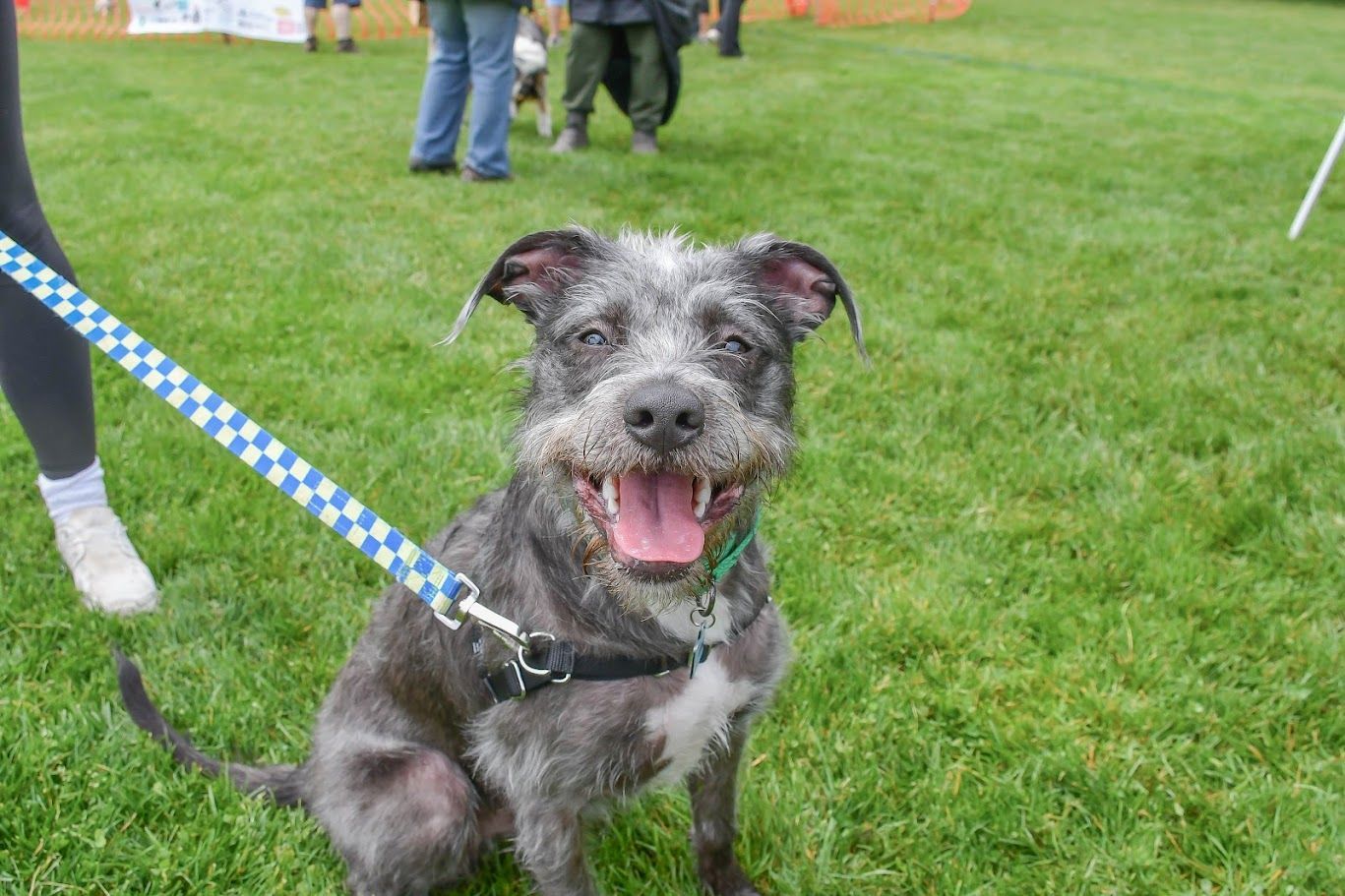
A happy, grey and white scruffy dog on a blue checkered leash sits on a grassy field with people in the background.

Before You Adopt: What to Prepare

Getting ready before your pet arrives home helps avoid stress and confusion in those first few days.


Basic supplies to have ready:

  • Food and water bowls
  • Species-appropriate food
  • Collar, ID tag, and leash (for dogs)
  • Litter box and litter (for cats)
  • Bedding or a safe resting area
  • Toys and enrichment items


Home setup tips:

  • Choose a quiet space where your pet can adjust
  • Remove hazards or items that could be chewed or knocked over
  • Plan where your pet will sleep, eat, and relax


For many first-time pet owners in Manchester, preparing ahead of time is the difference between a stressful first night and a calm, predictable transition.

The First 72 Hours at Home

The first few days are when most adjustment challenges happen. It’s normal for pets to feel unsure, withdrawn, or overly excited in a new environment.

What to expect:

  • Dogs may pace, whine, or test boundaries
  • Cats may hide or avoid interaction at first
  • Appetite and energy levels may fluctuate

How to help your pet adjust:

  • Keep routines simple and consistent
  • Give your pet space while they settle in
  • Avoid overwhelming them with visitors or new environments
  • Use calm, predictable interactions

Most pets begin to settle within a few days, but full adjustment can take several weeks.

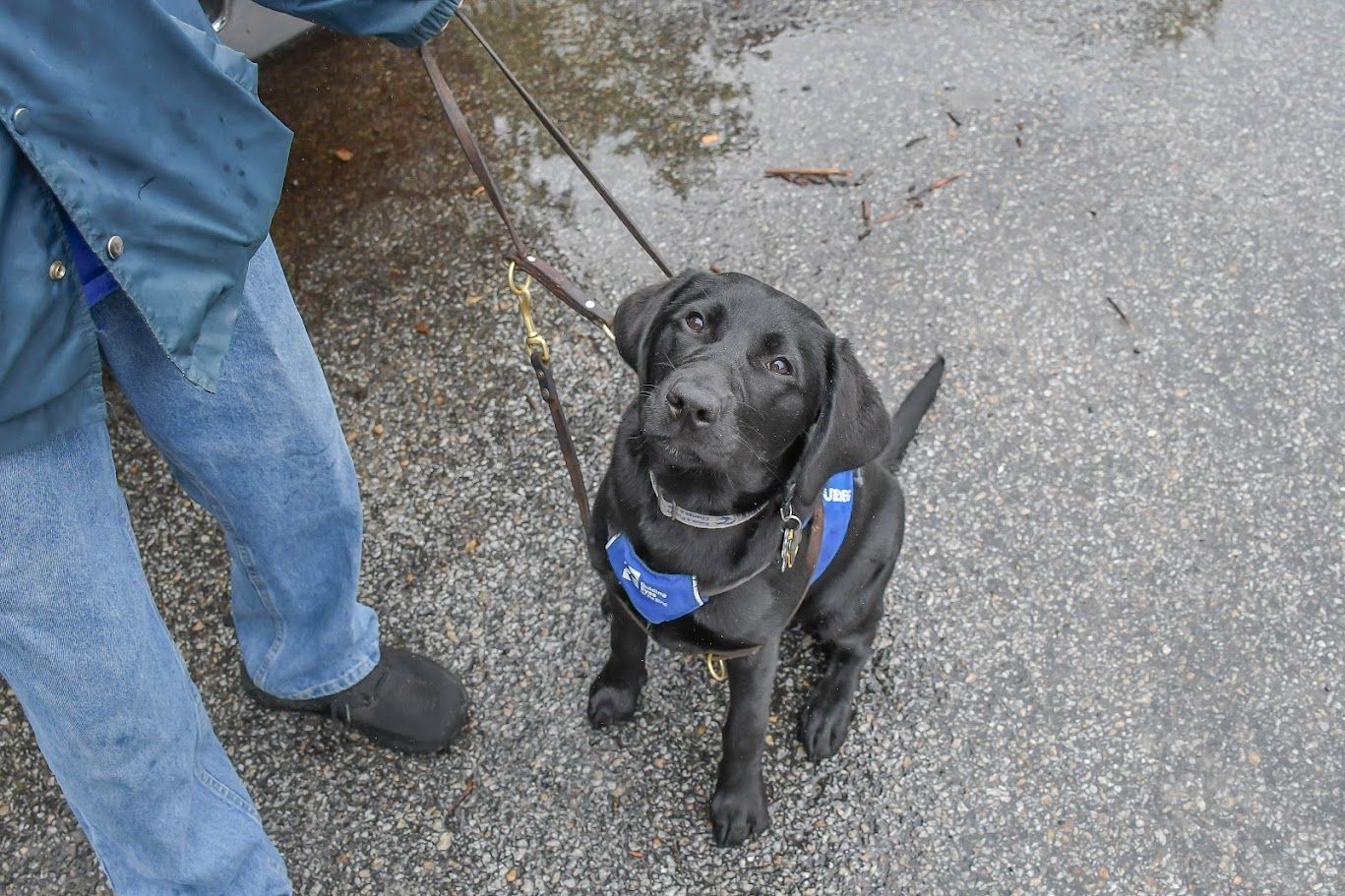
A black Labrador puppy wearing a blue service harness looks up at its handler while sitting on an asphalt surface.

Living with a Pet in Manchester, NH

Pet ownership in New Hampshire comes with some unique considerations, especially for local living situations.


Seasonal considerations:

  • Cold winters may limit outdoor activity for dogs
  • Indoor enrichment becomes more important during colder months
  • Ice and salt can affect paws during winter walks


Local lifestyle tips:

  • Apartment living may require structured walk routines
  • Nearby areas like Bedford, Hooksett, and Auburn offer additional outdoor spaces
  • Planning for local veterinary care early helps avoid delays.


Understanding these factors helps new pet owners create a routine that works year-round.

Common Mistakes to Avoid

Many early challenges come from small, avoidable mistakes.


  • Introducing too many new people or environments too quickly
  • Expecting immediate comfort or perfect behavior
  • Skipping routines for feeding, walking, or rest
  • Not planning for basic supplies ahead of time


Taking a slower, more structured approach helps pets adjust more successfully.

After Adoption: What Comes Next

Once your pet begins settling in, your focus shifts to building routines and long-term care.


Next steps after adoption:

  • Schedule or confirm a veterinary visit
  • Establish a consistent feeding and exercise routine
  • Begin basic training or behavior support
  • Continue building trust through daily interaction


For many adopters, the first few weeks are about patience and consistency. Over time, pets become more comfortable and confident in their new homes.

Need Help After Adoption?

If you have questions after bringing a pet home, you’re not alone. Many adopters reach out for guidance during the first few weeks.


Manchester Animal Shelter can help point you toward resources, answer common questions, or guide you to the right next step.

Contact the Shelter

Ready to Take the Next Step?

Once you feel prepared, the next step is deciding how you’d like to get involved, whether you’re ready to adopt, thinking about fostering, or still exploring your options.

Browse available animals and start the adoption process when you find a pet that feels like the right fit.

Consider fostering if you’re not ready to commit long-term but still want to help an animal in need.

Explore shelter programs and community resources for ongoing support before and after adoption.