
Halloween can be a fun night for people, but the costumes, candy, doorbells, and extra activity can feel confusing or overwhelming for pets. A little planning goes a long way toward helping dogs, cats, and small animals stay comfortable and safe. At Friends of the Manchester Animal Shelter, we encourage Manchester-area pet owners to make pet safety part of their Halloween preparations.
With treats secured, decorations placed thoughtfully, identification updated, and a quiet space ready at home, you can enjoy the festivities while keeping your pet’s needs in focus.
Keep Halloween Candy and Wrappers Out of Reach
Halloween candy is for people, not pets. Keep candy bowls, treat bags, and children’s trick-or-treat collections stored well out of reach. Pets can be curious, especially when food smells are new and tempting, and they may swallow both treats and their packaging.
Chocolate, products containing xylitol, and other ingredients found in human foods may be unsafe for pets. Candy wrappers, sticks, foil, and plastic packaging can also create a problem if swallowed. Remind children and guests not to share treats with animals, and empty purses, backpacks, and coat pockets that may contain forgotten candy before leaving them where a pet can investigate.
Decorate With Curious Pets in Mind
Festive decorations can make a home feel ready for Halloween, but pets do not always know which items are for looking rather than chewing, batting, or pulling. Place decorations securely and choose locations that are difficult for pets to reach.
Keep candles, jack-o’-lanterns with flames, and warming devices on stable, elevated surfaces. A wagging tail, an excited dog, or a curious cat can accidentally knock them over. Battery-operated candles can be a practical alternative when used and stored appropriately. Also keep cords, small decorative pieces, artificial spiderwebs, glow items, and seasonal plants away from pets, since chewing or swallowing unfamiliar materials can cause concern.
Make Costumes Comfortable, Not Complicated
A pet costume can be adorable, but comfort should always come first. If you decide to dress up your pet, choose a costume that fits properly and does not restrict movement, breathing, vision, hearing, or access to a collar and ID tag. Avoid loose pieces that can be chewed or swallowed.
Give your pet time to try the costume on before Halloween. Watch for signs that they are uncomfortable, such as trying to remove it, freezing, hiding, panting, vocalizing, or seeming unusually restless. Many pets are happiest without a costume at all, and that is perfectly fine. A festive bandana or photo taken near a decoration may be a lower-stress option for some animals.
Prevent Open-Door Escapes During Trick-or-Treat Hours
The frequent opening and closing of the front door creates an easy opportunity for a pet to slip outside. This is especially important for pets who may be startled by unfamiliar voices, costumes, or repeated doorbells. Before trick-or-treat hours begin, decide where your pet will be most secure.
Consider placing dogs and cats in a comfortable room away from the entryway, using a secure baby gate where appropriate, or asking one adult to manage the door while another keeps an eye on pets. If your dog needs an evening walk, a shorter walk before visitors begin may help reduce the need to open the door later.
Friends of the Manchester Animal Shelter also recommends checking that every pet has current identification. Make sure collar tags are readable and include up-to-date contact information. If your pet is microchipped, confirm that the registration details are current. These simple steps can support a faster reunion if a pet becomes separated from home.
Create a Quiet Retreat Away From Doorbells and Visitors
For some pets, Halloween is simply too loud and unpredictable. A quiet retreat can give them a calm place to settle while visitors come and go. Choose a familiar room with a cozy bed, water, and favorite comfort items. Close windows and curtains if outside activity is likely to be distracting.
You can play soft music or use normal household background sound to help reduce the impact of doorbells and voices outside. Let your pet choose whether to rest, hide, or play quietly. Avoid forcing them to greet visitors or pose for photos if they seem uneasy. Respecting their space helps make the evening less stressful for everyone.
Handle Pets Carefully Around Trick-or-Treat Activity
Even friendly pets can react differently when surrounded by masks, costumes, excited children, and unusual sounds. Keep pets supervised and avoid placing them in situations that may be too stimulating. If you take a dog outside during trick-or-treat hours, use a secure leash and harness or collar, and remain alert around busy sidewalks and driveways.
Children may want to greet your pet, but it is okay to say no. Our priority is helping pets feel safe. A calm night indoors is often the best choice, especially for cats, small animals, senior pets, newly adopted pets, or animals still adjusting to their surroundings.
What to Do If Your Pet Eats Something Dangerous
If you think your pet has eaten candy, wrappers, decorations, medication, or another potentially harmful item, stay calm and act promptly. Remove any remaining material from reach, note what was eaten if you can, and save the packaging or take a photo of the ingredients.
Contact your veterinarian, an emergency veterinary clinic, or a pet poison resource as soon as possible for guidance. Be prepared to share your pet’s species, approximate size, what may have been eaten, how much, and when it happened. Do not wait for symptoms to appear, and do not try to make your pet vomit or give home remedies unless a veterinary professional specifically instructs you to do so. If your pet appears distressed or unwell, seek veterinary assistance promptly.
Pre-Halloween Pet-Safety Checklist
- Store candy, wrappers, gum, and treat bags in closed cabinets or containers.
- Keep candles, cords, small decorations, and chewable items out of reach.
- Test any pet costume in advance and remove it if your pet seems uncomfortable.
- Confirm that collar tags are readable and microchip registration information is current.
- Set up a quiet, secure room with water, bedding, and familiar comfort items.
- Make a plan to prevent door-dashing when trick-or-treaters arrive.
- Keep your veterinarian’s number and a pet poison resource readily available.
- Use a secure leash and appropriate identification for any necessary outdoor time.
Halloween Safety Supports Pets at Home
At Friends of the Manchester Animal Shelter, we believe practical pet-owner resources help keep animals safe and supported at home. Whether you adopted through our Manchester animal shelter, welcomed a rescue pet from another organization, or have shared your life with your pet for years, these precautions can help make Halloween more enjoyable for everyone.
Our work serving homeless, abused, and abandoned animals in Manchester, New Hampshire, also reminds us how important prevention and preparation can be. Please share these Halloween pet-safety tips with fellow pet owners in Manchester and the surrounding communities. A quick reminder about candy, doors, ID tags, and quiet spaces may help a neighbor protect a beloved pet.
FAQ
Can pets have any Halloween candy?
It is safest not to give pets Halloween candy. Keep all candy and its packaging out of reach, and offer your pet a familiar pet-safe treat instead if you would like to include them in the celebration.
Should we take our dog trick-or-treating?
That depends on your dog’s comfort level, but many dogs find crowds, costumes, traffic, and repeated noise stressful. A calm evening at home is often the better option. If you do take your dog outside, use secure equipment, stay close, and leave if your dog seems uneasy.
How can we keep our cat safe when the doorbell keeps ringing?
Set your cat up in a quiet, closed room before trick-or-treaters arrive. Include water, a litter box, a comfortable resting spot, and familiar items. This also helps prevent an accidental escape through the front door.
What should we do if our pet swallowed a candy wrapper or decoration?
Contact your veterinarian, an emergency veterinary clinic, or a pet poison resource promptly for guidance. Keep any packaging available and share details about the item, the amount, and when it may have been swallowed. Do not attempt home treatment unless directed by a veterinary professional.
Why should we check microchip information before Halloween?
Halloween brings more open doors, unfamiliar activity, and opportunities for a startled pet to get loose. A readable ID tag and current microchip registration can make it easier to contact you if your pet is found. Friends of the Manchester Animal Shelter encourages pet owners to review this information regularly, not only during holidays.
Recent Posts
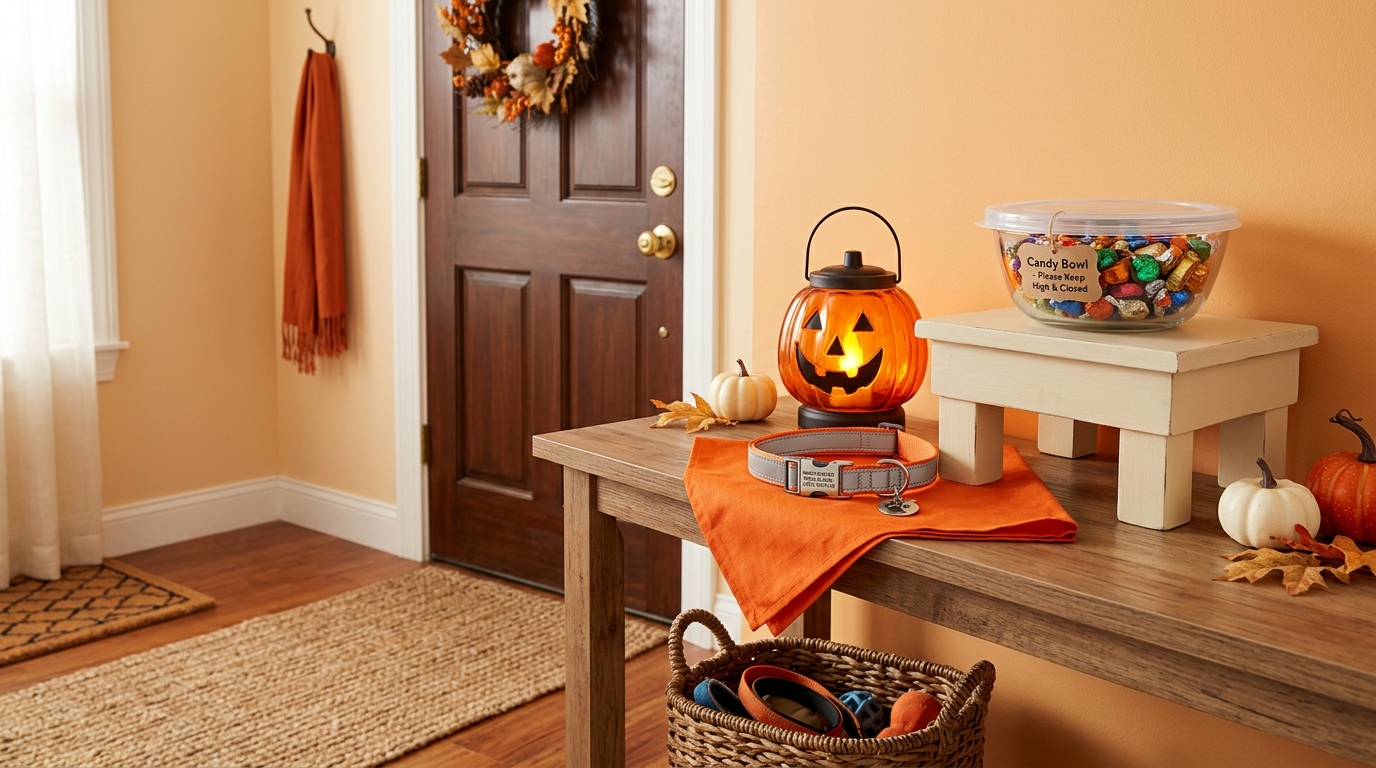
Halloween Pet Safety: Candy, Costumes, and Trick-or-Treat Stress

How to Adopt a Dog in Manchester, NH: A Step-by-Step Guide
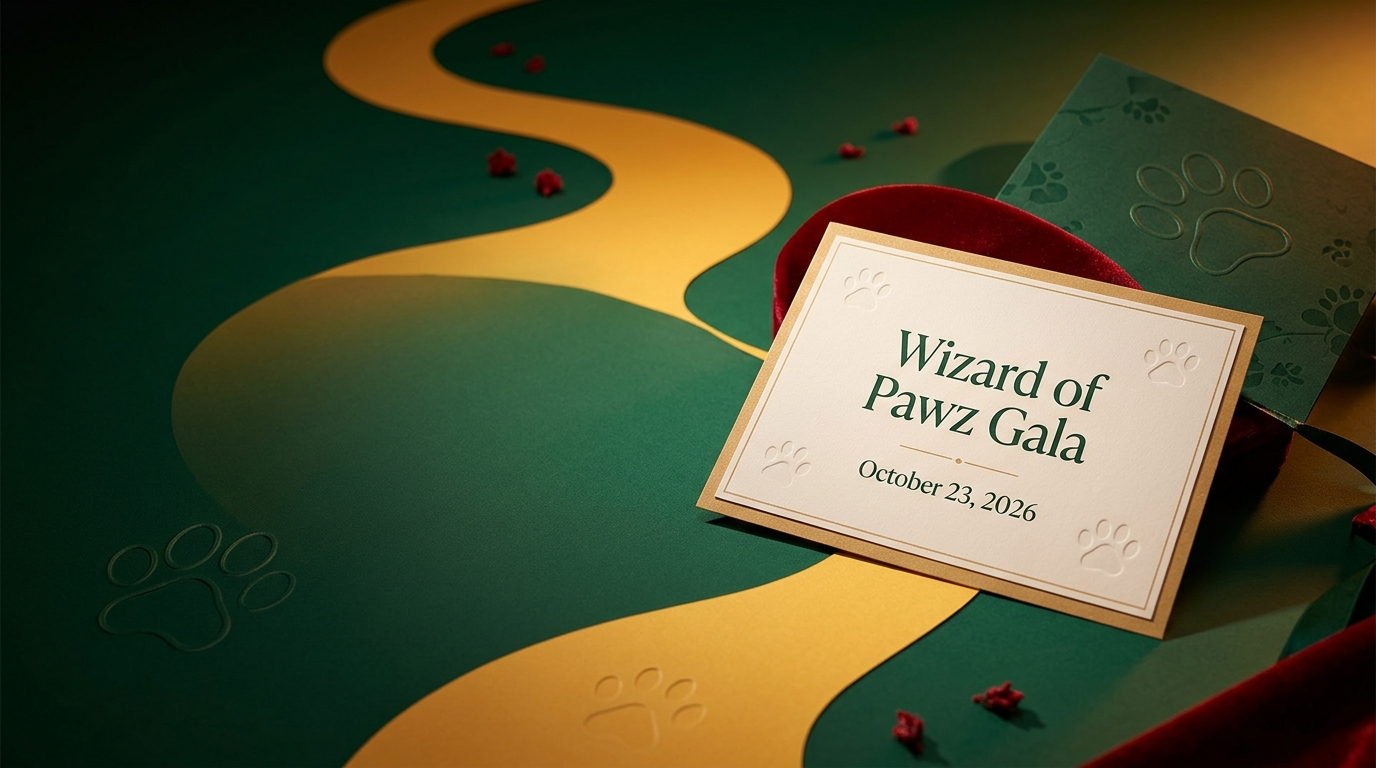
Wizard of Pawz Gala 2026: What to Expect on October 23
